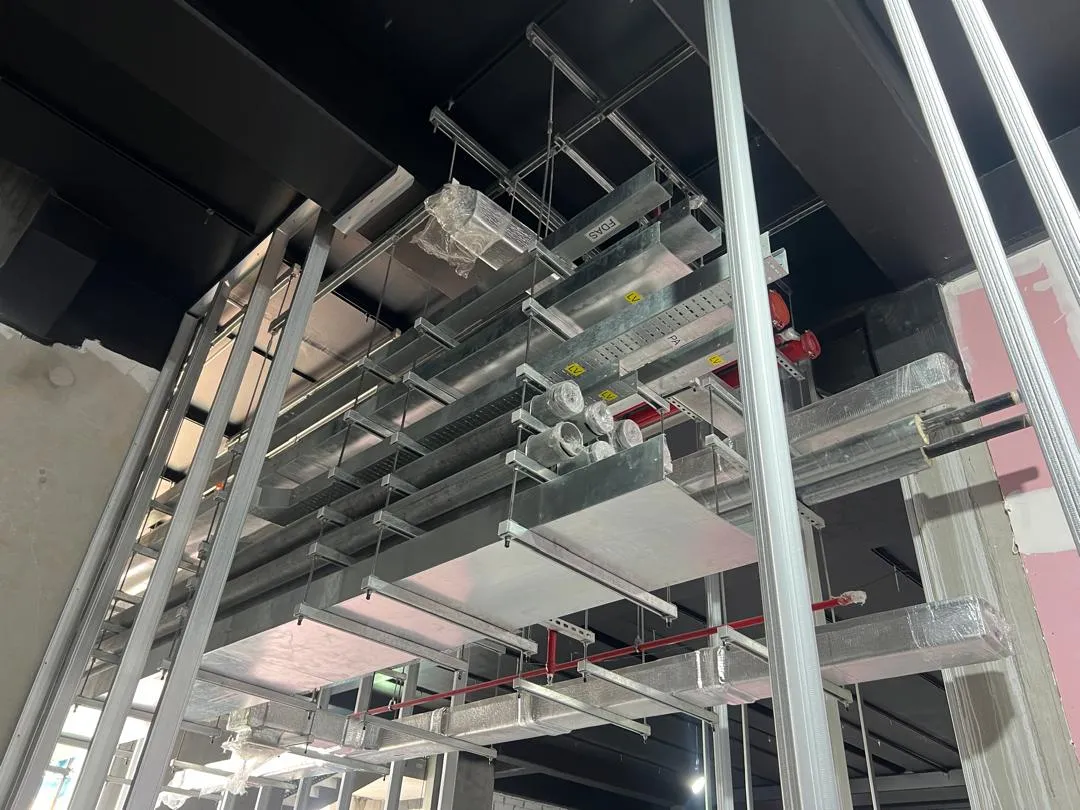
High-Performance DfMA MEP & Cable Support Integration
Integrated modular solutions for high-stakes construction — coordinated MEP and cable support systems designed, manufactured, inspected, and installed with greater control than fragmented on-site methods.
SAN Engineering provides Design for
Manufacturing and Assembly (DfMA) solutions for high-stakes construction environments where speed, quality,
coordination, and installation certainty matter.
Our DfMA Engineering Division integrates mechanical, electrical, plumbing, and cable support systems into
coordinated modular assemblies that can be
designed, manufactured, inspected, delivered, and installed with
greater control than fragmented on-site installation methods.
Designed Smarter
Engineered for efficiency and constructability
Built Precisely
High-quality manufacturing with strict QC
Delivered Ready
Pre-assembled modules for faster mobilization
Installed with Confidence
Seamless integration for greater installation certainty
What Is DfMA?
Definition
DfMA — Design for Manufacture and Assembly
DfMA is a proactive design and construction approach that integrates manufacturing efficiency with assembly
efficiency. Instead of relying only on fragmented on-site installation, DfMA allows major building services to be
coordinated digitally, fabricated off-site, inspected under controlled conditions, and then installed on-site as
pre-manufactured modules.
For MEP and cable support projects, this may include:
HVAC ducts and pipes
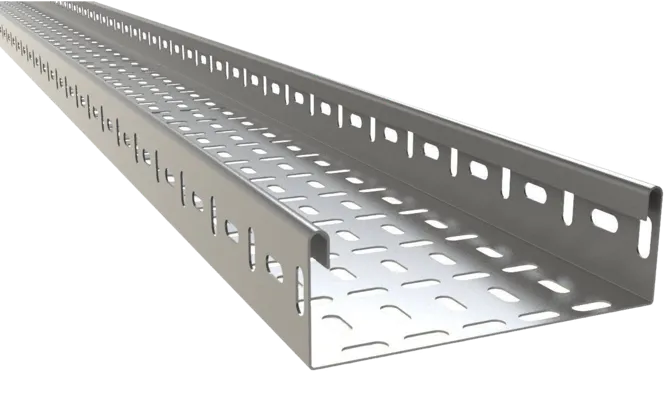
Electrical cable trays
Cable trunking
Cable ladder systems
Water supply pipes
Drainage pipes
Unistrut framing
Pipe racks
Modular service corridors
Vertical riser modules
Roof-top support frames
Heavy-duty equipment support systems
The goal is simple:
Build smarter
Plan for manufacture and assembly from the start
Reduce site disruption
Shift more work into controlled factory environments
Improve accuracy
Coordinate services digitally before site installation
Deliver faster outcomes
Safer, more predictable construction delivery
The Shift: From Fragmented On-Site Work to Off-Site MEP Integration
Traditional MEP installation often depends on many separate trades working on-site in limited space. This can create
coordination issues, rework, clashes, delays, and inconsistent installation quality. DfMA changes this approach by
coordinating multiple building services into modular systems manufactured and pre-assembled off-site before delivery.
Traditional On-Site Method
Fragmented installation
Multiple trades working in sequence
Higher site manpower requirement
Higher rework risk
More coordination challenges
More dependency on site conditions
DfMA Modular Method
Coordinated design before fabrication
Off-site manufacturing and assembly
Factory-controlled quality
Reduced field manpower
Faster on-site installation
Plug-and-play module integration
Better predictability for critical projects
Core DfMA Systems by SAN Engineering
SAN Engineering's DfMA approach focuses on modular systems that combine MEP services and cable support
infrastructure into practical installation-ready solutions.
Horizontal Modular Systems
Corridor-style MEP integration combining HVAC ducts, drainage pipes, water and gas pipes, electrical cable trays, trunking, and support frames into unified corridor racks.
Suitable for
Data centers Commercial buildings Industrial facilities High-rise buildings Service corridors Utility routes Infrastructure projects
Vertical Riser Modules
Pre-built routing systems for service cores and shafts that organize vertical MEP services and reduce complicated site installation work in riser areas.
Suitable for
High-rise buildings Service shafts Utility risers MEP cores Vertical pipe and cable routing
Modular Pipe Racks
Pre-assembled support systems for pipework and related MEP services, manufactured in controlled factory conditions and delivered to site for final installation.
Suitable for
Industrial projects Plant rooms Data center support systems Heavy-duty service corridors Mechanical and plumbing routes
Roof-Top Frames
Modular support frames for equipment and MEP services installed on roof areas.
Suitable for
Air-conditioning pipe support Equipment support Rooftop MEP services Raised roof modules Utility support structures
Equipment Systems
Modular frames designed to support pumps, mechanical systems, pipe assemblies, and other service equipment.
Suitable for
Plant rooms Mechanical rooms Pump skids Equipment support bases Prefabricated MEP systems
Seismic Solutions
Engineered modular systems that consider vibration, stability, and support requirements for demanding project environments.
DfMA Services by SAN Engineering
SAN Engineering provides DfMA services from digital precision to practical plug-and-play installation.
Design & Coordination
Digital planning and alignment before fabrication begins.
DfMA design optimization
Early design coordination
BIM-optimized modular planning
Shop drawing finalization
MEP coordination
Manufacturing & Quality
Controlled off-site production with strict QA/QC oversight.
Off-site fabrication
Stand-in assembly
Factory QA/QC inspection
Material compliance checking
Delivery & Installation
Coordinated logistics, site work, and project handover.
Logistics and delivery planning
On-site pre-installation marking
Module installation
Final inspection
Sign-off and handover
The result is a coordinated delivery model that connects engineering, manufacturing, quality control, logistics, and
site installation.
Construction Efficiency Benefits
DfMA helps unlock construction efficiency by moving a large portion of installation work into a controlled
manufacturing environment. Based on SAN Engineering's DfMA proposal framework, the intended efficiency gains include:
Efficiency Area
Target Improvement
Field manpower reduction
Up to 45%
Waste and on-site damage reduction
Up to 70%
Rework and error reduction
20% to 25%
DfMA is especially suitable for hyperscale data centers, commercial high-rise buildings, critical infrastructure,
industrial facilities, fast-track projects, projects with limited site access, and projects requiring strict quality
control.
The 4-Stage DfMA Delivery Process
SAN Engineering follows a structured 4-stage DfMA process that connects design, coordination, off-site
manufacturing, and on-site installation.
Stage 1
DfMA Design Optimization
Ensure the design is ready for manufacturing and assembly before fabrication begins.
Review of approved basis of design
Letter of Acceptance alignment
Material approval review
IFC drawing approval review
Design optimization for modular construction
Cable support and MEP system integration
Early identification of constructability issues
Stage 2
Synchronization and Early Design Coordination
Solve MEP integration digitally before it reaches the factory floor or construction site.
Shop drawing coordination
MEP service alignment
Design coordination workshops
Stakeholder review and approval
Clash reduction
Clear and aligned project goals
Digital resolution of mechanical, electrical, and plumbing conflicts
Stage 3
Off-Site Manufacturing
Shift fabrication and stand-in assembly into a controlled factory environment.
BIM-optimized design execution
Material procurement
Fabrication and assembly
Mechanical, electrical, and plumbing integration
Cable tray and support system installation into modules
Lean production methods
Strict QA/QC protocols
Factory-controlled quality checks
Off-site inspection
Delivery preparation
Stage 4
On-Site Module Installation
Reduce site installation time while maintaining strict quality and safety standards.
Ground and high-level marking
Site readiness checks
Task setup
Just-in-time delivery to installation zones
BIM-guided hoisting and lifting
Precision placement
Plug-and-play connections
Module integration
Final inspection
Sign-off and handover
DfMA Process Workflow
A complete DfMA workflow connecting planning, engineering, procurement, manufacturing, logistics, installation, and
handover into one coordinated delivery model.
Preliminary Work
Design drawing submission
Coordinated service design
PE endorsement
Material procurement
Design Coordination
Shop drawing finalization
Review and approval by vendor and stakeholders
On-Site Pre-Installation
Ground and high-level marking
Task setup
Material compliance checks
Off-Site Installation
Fabrication and assembly
Off-site inspections
On-Site Module Installation
Module installation
Final inspections
Sign-off and handover
Swipe to view all workflow phases
Dual-Quality Framework: Factory Control and Field Speed
SAN Engineering's DfMA model uses a dual-quality framework. Quality is managed both off-site in the factory and
on-site in the field.
Dimension
Off-Site: The Factory
On-Site: The Field
Environment Focus
Stand-in assembly in controlled factory environments integrating MEP services
Assemble pre-manufactured modules while minimizing disruption and time
Methodology
Lean production and pre-approved builds
Just-in-time delivery and plug-and-play installation
Technology and Tools
BIM-optimized design
BIM-guided hoisting and lifter support
Quality Assurance
Strict QA/QC protocols for fabrication
Strict QA/QC protocols, on-site tests, and inspections before handover
Project Governance and DfMA Work Flow
DfMA success depends on clear governance from design through maintenance.
1
Phase 1
Design and Coordination
BIM-optimized shop drawing finalization
PE endorsement
Stakeholder approval
Service coordination
Construction sequencing review
2
Phase 2
Off-Site Manufacturing
Material procurement from internal inventory
Factory fabrication
Assembly
Strict QA/QC checks
Pre-approved module builds
3
Phase 3
Logistics and Delivery
Smart route planning
Tracking
Delivery scheduling
Just-in-time arrival at site
Coordination with installation teams
4
Phase 4
On-Site Installation
Site readiness checks
Safety protocols
Precision BIM-guided placement
Plug-and-play connections
Verification before handover
5
Phase 5
Maintenance and Value
Accessible design for safe servicing
Standardized components
Complete handover data
Long-term asset value support
Reduced downtime during maintenance
Each phase connects planning, engineering, procurement, manufacturing, logistics, installation, and long-term asset
value into one coordinated DfMA delivery model.
Why Choose SAN Engineering for DfMA?
SAN Engineering combines in-house manufacturing, cable support expertise, modular installation capability, and
factory-controlled quality processes.
In-house cable support system manufacturing
Unistrut framing capability
Pipe clamp and accessory manufacturing
Advanced fabrication support
Modular MEP integration experience
Factory-controlled QA/QC
BIM-optimized coordination
Off-site manufacturing capability
On-site installation support
Project governance from design to handover
Because SAN Engineering manufactures many of the core support components in-house, project teams can reduce
dependency on fragmented outsourcing and improve control over quality, delivery, and integration.
DfMA Applications
Data Centers
DfMA is well suited for data centers where speed, repeatability, quality control, and service coordination are
critical — including horizontal service modules, cable tray corridors, pipe racks, equipment support frames, roof-top
modules, and heavy-duty MEP support systems.
Commercial High-Rise Buildings
DfMA can help improve coordination in high-rise buildings where risers, service corridors, and MEP shafts are
complex — including vertical riser modules, service corridor modules, cable tray and trunking integration, pipe
support modules, and modular frames.
Industrial Facilities
Industrial projects often require durable support systems, coordinated services, and strong installation control —
including pipe racks, cable ladder support frames, heavy-duty cable tray systems, equipment support systems, and
modular service routes.
Infrastructure Projects
DfMA can help infrastructure projects reduce on-site work and improve repeatable installation quality — including
utility corridors, electrical cable support routes, pipe support systems, modular service frames, and pre-assembled
support modules.
DfMA Products and Systems
SAN Engineering's DfMA solutions may integrate the following product categories:
Cable support systems
Cable trays
Cable ladders
Cable trunking
Wire mesh basket trays
Unistrut channels
Pipe clamps
Pipe support accessories
Roof-top frames
Modular pipe racks
Equipment support frames
Heavy-duty support structures
Custom fabricated accessories
These systems can be configured according to project requirements, installation constraints, load requirements,
service routes, and approved drawings.
Quality and Compliance
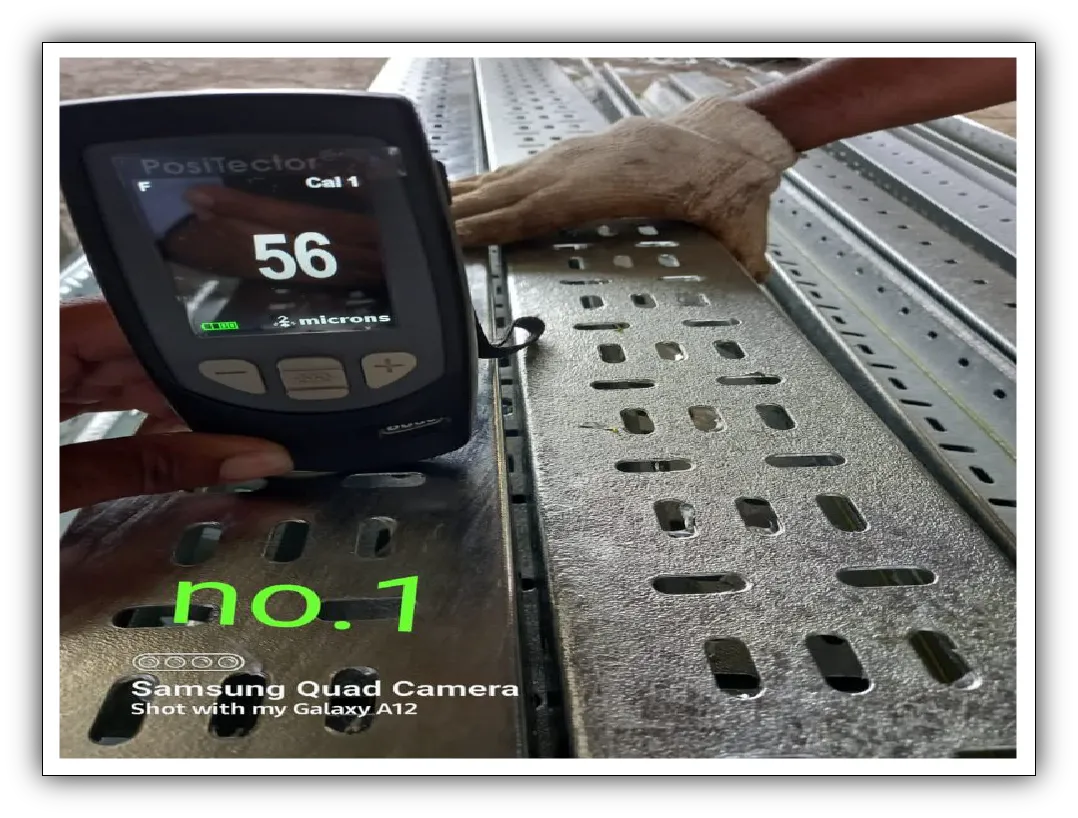
Quality control is central to SAN Engineering's DfMA process. DfMA modules are designed to reduce uncertainty by
moving fabrication and assembly into controlled environments, allowing material compliance, fabrication checks,
dimensional control, and module inspection before the system reaches the final installation area.
Material approval review
Drawing approval review
Fabrication QA/QC
Factory inspection
Off-site inspection
On-site inspection
Final verification
Handover documentation
Benefits of DfMA MEP Integration
Faster Delivery
Pre-manufactured modules can reduce the amount of work required on-site and support faster installation sequences.
Reduced Site Manpower
By shifting more work to the factory, DfMA can reduce the number of trades and installers required in congested site
areas.
Better Quality Control
Factory-controlled environments allow more consistent fabrication, assembly, and inspection.
Lower Rework Risk
Digital coordination and pre-assembly can reduce service clashes, dimensional errors, and installation conflicts.
Improved Safety
Less work at height, less congested site installation, and more controlled assembly processes can support safer
project execution.
Cleaner Site Conditions
Off-site manufacturing can reduce waste, damage, and material handling requirements on-site.
Better Maintenance Access
Modules can be designed with future servicing, inspection, and replacement in mind.
DfMA Project Information Needed for Quotation
To prepare a DfMA proposal or quotation, project teams should provide:
Project drawings
MEP service layouts
Cable routing drawings
BIM model, if available
Approved basis of design
IFC drawings
Material requirements
Load requirements
Module size constraints
Installation environment
Site access details
Delivery schedule
QA/QC requirements
PE endorsement requirements
Client or consultant specifications
The more complete the project information, the easier it is to design practical, manufacturable, and installable DfMA
modules.
Common questions about DfMA MEP and cable support integration services from SAN Engineering.
What does DfMA mean?
DfMA means Design for Manufacture and Assembly. It is a design and construction approach where systems are planned for efficient factory manufacturing and easier on-site assembly.
How is DfMA used in MEP projects?
In MEP projects, DfMA is used to coordinate mechanical, electrical, plumbing, and cable support systems into modular assemblies. These modules can be fabricated off-site, inspected, delivered, and installed on-site.
What types of systems can be included in DfMA modules?
DfMA modules may include HVAC ducts, pipes, cable trays, cable trunking, cable ladders, water supply pipes, drainage pipes, Unistrut framing, pipe racks, and support structures.
What are the benefits of DfMA?
DfMA can reduce on-site manpower, improve quality control, reduce rework, improve coordination, reduce waste, speed up installation, and support safer project delivery.
Is DfMA suitable for data centers?
Yes. DfMA is especially useful for data centers because these projects require fast delivery, repeatable installation, coordinated MEP routes, and strict quality control.
What is the difference between off-site manufacturing and on-site installation?
Off-site manufacturing is the controlled factory fabrication and assembly of modules. On-site installation is the final placement, connection, inspection, and handover of those modules at the project site.
What information is required for a DfMA quotation?
Useful information includes project drawings, MEP layouts, cable routing details, BIM models, material specifications, load requirements, module dimensions, site access details, delivery schedule, and QA/QC requirements.
Why choose SAN Engineering for DfMA?
SAN Engineering combines in-house cable support manufacturing, modular installation expertise, fabrication capability, QA/QC processes, and project workflow coordination to deliver integrated DfMA MEP solutions.
Request a DfMA Proposal
Ready to Discuss Your DfMA Project?
SAN Engineering and Electrical Support SDN BHD provides DfMA MEP and cable support integration services for data
centers, commercial buildings, industrial facilities, infrastructure projects, and high-stakes construction
environments.
To request a DfMA proposal, share your project drawings, BIM model if available, MEP layouts, cable routing
drawings, BOQ, material requirements, module requirements, installation environment, site constraints, and
project schedule. SAN Engineering can support your project from design coordination and off-site manufacturing
through delivery, installation, inspection, and handover.